
Maruti is sticking to this strategy at a time when rival Hyundai is looking to make the most of the monopoly it will have in the compact diesel segment from April 1, 2020, when the BSVI emission norms kick in. The market leader's confidence stems from the rapid shift in favour of petrol in the PV segment. For newer models such as MG Hector and Seltos, nearly 75 per cent bookings are for petrol variants, Kia has 55 per cent from petrol variants. The change in customer preference from diesel variants to petrol has happened quickly over the past few years.

This will ensure its vehicles reach dealers much faster and delivered to buyers in a maximum of three days, reports Shally Seth Mohile.

Primary steel producers in the domestic market have raised product prices by 2.5 to 3 per cent for December to address margin compression and in anticipation of a demand pick-up.

The entire range of Hyundai's diesel cars - from compact ones to SUV models, including the soon-to-be-launched Aura - will be eco-friendly.

Let alone a discount, they might not even get the model, variant or colour of choice in BS-IV-compliant vehicles.
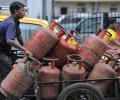
Only 48.3 per cent of the rural households used LPG, while the figures were much higher in urban areas at 86.6 per cent, according to a NSO report.

To prevent rise in air pollution levels, oil marketing companies and thermal power units were planning to procure stubble from farmers to make bioethanol and promote the central government's 'Agricultural Mechanization' for crop residue management. But both have seen minimal success.

The growth in the PV segment was primarily led by car market leader, Maruti Suzuki India, which saw its dispatches to dealers grow 4.4 per cent YoY to 144,277 units after 10 months of drop. It was driven by new launches, such as the S-Presso, a mini sport UV.

The biggest spender was Tata Motors, with Rs 4,224.6 crore assigned under the R&D head.

Cleartrip acquired Saudi travel firm Flyin last July and it provides bilingual ground support service and itineraries for inbound tourists.

A major reason for the decline in the consumption of kerosene was an increase in the number of LPG consumers in rural India after the government launched the Pradhan Mantri Ujjwala Yojana. in 2016.

Mahindra is the latest among a clutch of other manufacturers that have been using services, fuel efficiency and packages as unique selling proposition. Sales of Mahindra's heavy trucks dropped to 3,427 units in the eight months from April to September.
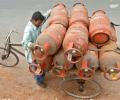
A shortfall in LPG supply from Aramco has led to huge booking backlog across states. To meet the backlog, India has asked Abu Dhabi National Oil Company for two additional cargos of LPG, but that may take another 10 days to reach.

Majority of PLL's long-term deals are linked to crude, which faces price challenge from other fuels. Spot LNG is moving away from this linkage, which puts a question mark on crude linked contracts.

While the Saudi drone strike has put the focus back on anti-drone measures, caution also stems from the fact that India has a number of large oil refining assets close to India-Pakistan border.
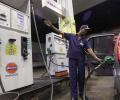
After the latest spike in crude oil prices, petrol prices could potentially go up to around Rs 90 a litre making a dent in the consumer's wallet. This, the analysts fear, will push the cost of vehicle ownership in the country, further reducing the demand potential for the industry.
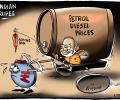
On Tuesday, Petroleum Minister Dharmendra Pradhan met Russian oil giant Rosneft's chief executive officer Igor Sechin and discussed raising crude imports from that country, in addition to talks about going for more acquisitions.

Robots are now being used increasingly in the integrated-shell assembly line and robotic bogie-fabrication line. The unit may soon see its phase-II expansion, which will increase its capacity to 2,000 coaches.

On these routes, the train speed would also be increased to above 160 kmph over the next four or five years by revamping the entire signaling, tracks and fencing.
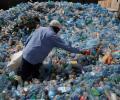
Large chains like the Marriott and Taj that are estimated to consume two million plastic bottles a year have taken a conscious decision to first eliminate PET bottles on their premises and then reduce the use of single-use plastic altogether, saying they are all for a sustainably environment-friendly tomorrow.
 © 2026 Rediff.com - Investor Information - Advertise with us - Disclaimer - Privacy Policy - Sitemap - Feedback - About us - Terms of use - Grievances